Jack’s Place to mark 60th anniversary with fund-raising dinner for ST School Pocket Money Fund

THESTRAITSTIMES

Friday, June 19, 2026

Jack’s Place to mark 60th anniversary with fund-raising dinner for ST School Pocket Money Fund

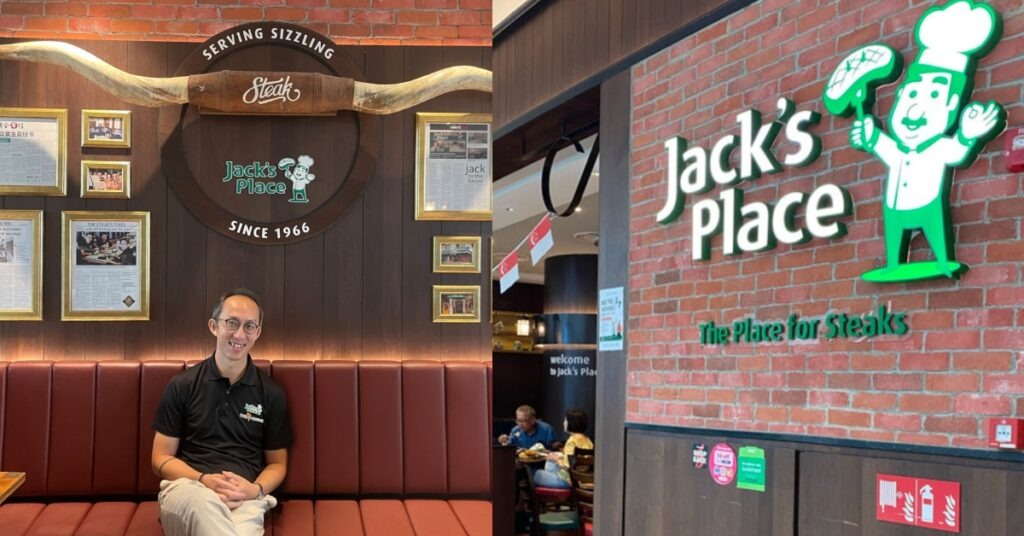
The fund-raising dinner will be held on July 31 at its Bras Basah Complex outlet, with tickets priced at $100.

PHOTO: JACK’S PLACE

SINGAPORE – Home-grown eatery Jack’s Place is marking its 60th anniversary with a fund-raising effort aimed at raising $10,000 for The Straits Times School Pocket Money Fund (STSPMF).

The fund-raising dinner will be held on July 31 at the restaurant’s Bras Basah Complex outlet, with tickets priced at $100. It will be a buffet dinner, with complimentary beer and wine.

Tickets can be purchased on the Jack’s Place website, and all proceeds will go towards the STSPMF.

The fund-raising dinner will be conducted across two seatings, from 6.30pm to 8pm, and 8.30pm to 10pm.

A second event is scheduled for Aug 7, when the funds will be presented to the leaders of the STSPMF. It will be held at the Jack’s Place Toa Payoh outlet, and exclusively for STSPMF beneficiaries and their families.

The STSPMF was started by The Straits Times in 2000 to provide pocket money to children from lower-income families to help them through school.

It supports about 10,000 children and youth each year, and has distributed more than $100 million thus far.

People who wish to donate to the fund can visit STSPMF’s website. All donations made directly to STSPMF are eligible for a 2.5 times tax deduction.

Jack’s Place has lasted 60 yrs, but it doesn’t want to be a biz people “only remember from the past”

vulcanpost

Monday, June 08, 2026

Jack’s Place has lasted 60 yrs, but it doesn’t want to be a biz people “only remember from the past”

“Nostalgia becomes dangerous if it prevents a business from improving,” says 3rd-gen director Alvin Say

There are restaurants you eat at, and restaurants you grow up in. Jack’s Place, for many Singaporeans, is firmly the latter. 

Most Singaporeans would recognise its green-and-white checkered tablecloths anywhere. You might even remember the sizzle of a steak arriving at your table, or servers weaving between diners with gravy boats in hand.

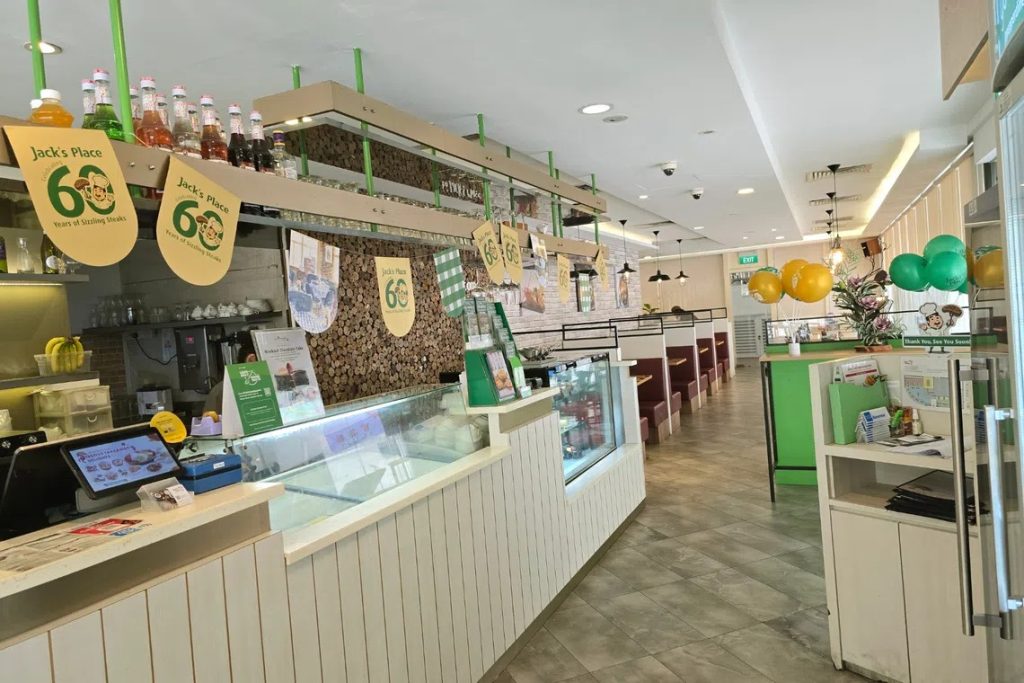
This year, the homegrown chain celebrates its 60th anniversary. Any restaurant that survives six decades is remarkable. One that remains emotionally meaningful across multiple generations is something else entirely.

Vulcan Post spoke with Alvin Say, third-generation owner at Jack’s Place, about the brand’s evolution over the decades.

A cook boy’s unlikely inheritance

The Jack’s Place story begins with an immigrant who arrived with little and built something lasting through sheer grit and skill.

Say Lip Hai came from Hainan and found work as a cook boy for British troops stationed in Sembawang, where he learned the foundations of Western cooking—roast beef, Yorkshire pudding, rich gravies, the rhythms of classic British-style dining.

By the 1960s, he was running his own venture, Cola Restaurant, when a chance encounter changed everything.

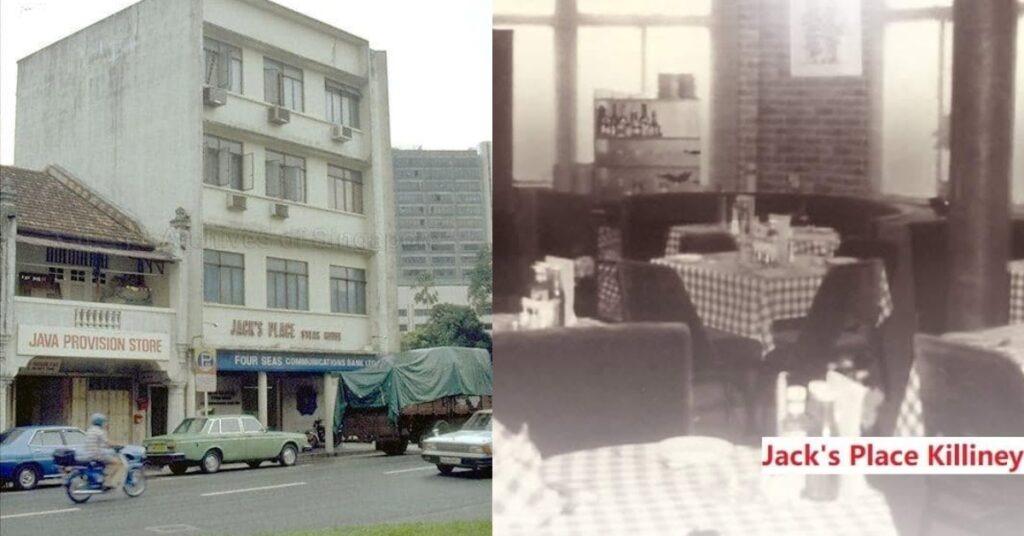
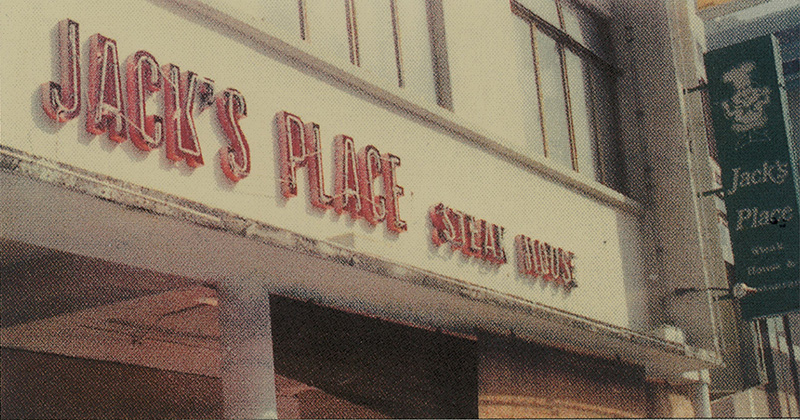
The first Jack’s Place outlet at Killiney Road./ Image Credit: National Library Board

A British housewife, impressed by his food, introduced him to her husband, Jack Hunt, who owned a pub and restaurant called Jack’s Place along Killiney Road. Lip Hai was invited to manage the catering and restaurant operations.

When Jack eventually returned to England in 1974, he sold the business to Lip Hai for S$28,000.

As the new owner, Say began reshaping the business. The pub gradually gave way to a restaurant, and while it initially leaned towards Italian influences, other culinary traditions soon found their way onto the menu. French cuisine, in particular, left a lasting mark.

In its early years, the restaurant’s S$3.80 set lunches became a hit with oil rig workers and office employees along Orchard Road. Lip Hai, committed to using fresh ingredients, would personally head to the market each morning on his Vespa to source supplies.

The restaurant’s 60-seater outlet at Killiney Road quickly outgrew itself. In 1977, Lip Hai opened a second outlet at the former Yen San Building. When queues formed at Killiney, he would even ferry waiting customers to the new location down the road.

Jack’s Place also doubled as a lively watering hole in those years. The bar counter was often packed, and Lip Hai would order whiskey by the hundred. Though closing time was officially 11PM, service frequently ran late to accommodate late-night regulars.

Jack’s Place had over 15 outlets at its peak

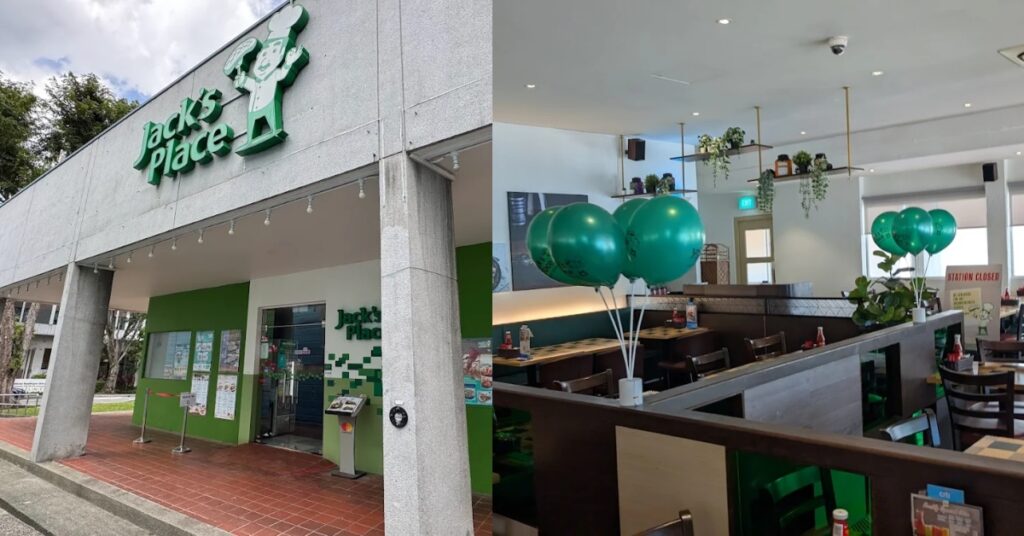
Jack’s Place Ang Mo Kio outlet today./ Image Credit: Peter Rock Steady Crew, s g via Google Reviews

As Singapore’s HDB new towns expanded in the 1980s and ’90s, Jack’s Place followed suit. Its first heartland outlet opened in Ang Mo Kio and remains the brand’s oldest outlet today. 

The restaurant’s positioning was deliberate: dependable, familiar, and welcoming.

Back then, Western dining still carried an air of novelty and occasion. Jack’s Place wanted to create a space that didn’t feel intimidating or exclusive—a place where ordinary families could enjoy a Western meal comfortably.

Image Credit: George Chua via Facebook

At its peak, the chain operated more than 15 outlets across the island, becoming a familiar presence in neighbourhood malls and town centres.

In 2008, the family formalised its business under a corporate umbrella, JP Pepperdine Group. Alongside the flagship Jack’s Place steakhouse brand, the group expanded its portfolio with Eatzi Gourmet, a halal-certified arm that spans steakhouses and a catering division.

A family business across generations

Image Credit: Prestige Consultants via Google Reviews

Today, the business is managed by the second and third generations of Lip Hai’s family, alongside a team of long-serving professionals.

Alvin frames his role as stewardship rather than ownership. “We see ourselves less as owners and more as stewards of the brand,” he says. “Every generation has a responsibility to protect what people love about Jack’s Place, while making sure it stays relevant for the next generation of diners.” 

That stewardship comes with its own tensions. Members of the third generation were encouraged to gain experience elsewhere before returning to the family business—a deliberate choice to ensure fresh perspectives.

You are not just managing a company. You are managing something tied to your family history and identity.

Alvin Say, Director of Jack’s Place, JP Pepperdine Group

When generational disagreements arise, the tie-breaker is always the same question: what is genuinely better for the customer?

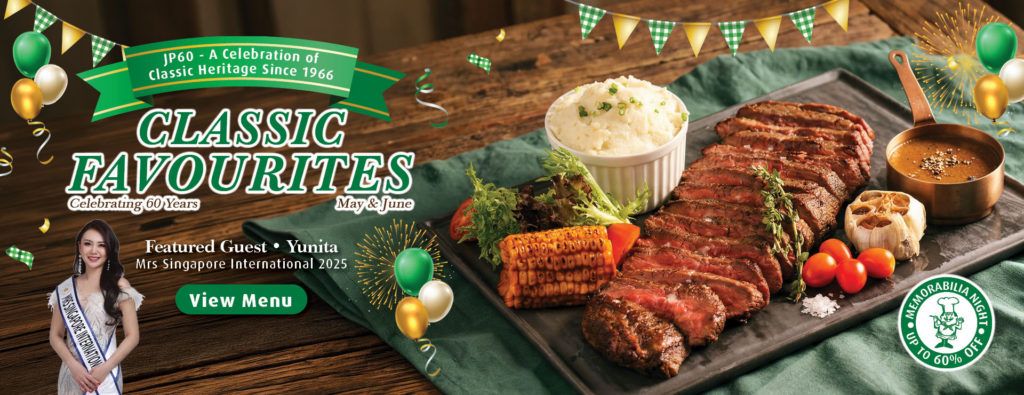
Jack’s Place has introduced a limited-time menu for its 60th anniversary./ Image Credit: Jack’s Place

As Jack’s Place is often associated with nostalgia, Alvin takes a measured view when asked whether it is an asset or a liability.

 “It can be both,” he said. “Nostalgia is valuable because it creates emotional trust that newer brands cannot easily replicate, but it becomes dangerous if it prevents a business from improving.”

“We don’t want to become a brand that people only remember fondly from the past. We want to remain part of people’s present-day lives as well.”

That tension between preserving heritage and avoiding stagnation is one Jack’s Place has had to navigate carefully. 

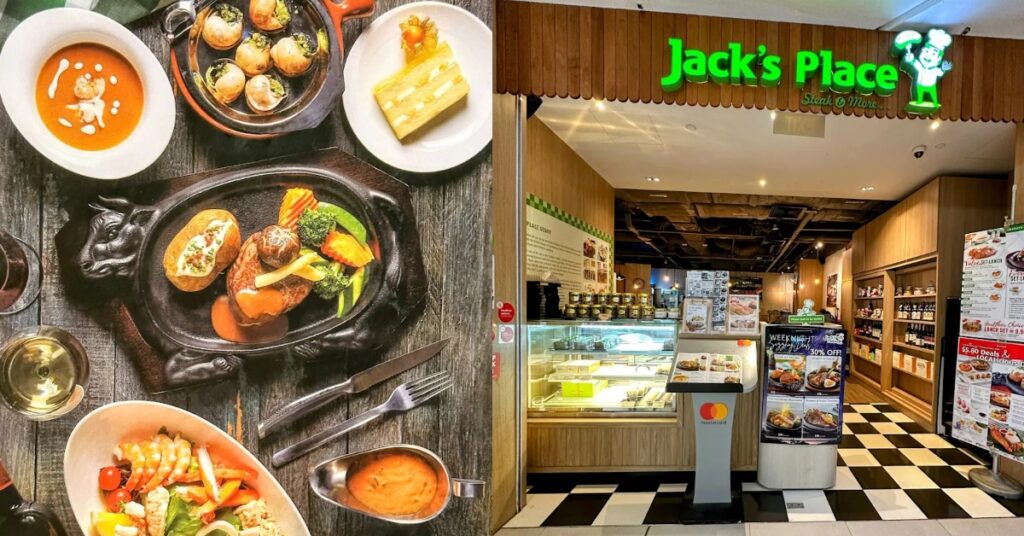
Some elements of the menu have remained largely unchanged for decades: sizzling steaks on cow-shaped hotplates, lobster bisque, baked potatoes. These are not just signature dishes; they are emotional touchpoints. Change them too much, and you risk erasing the memories that bring customers back.

At the same time, dining habits have shifted significantly. Today’s customers are more health-conscious, more visually driven, and far more attuned to global food trends.

They are no longer comparing Jack’s Place only with other steakhouses, but with cafés, lifestyle concepts, and a wave of well-capitalised overseas brands—particularly from China—that have entered Singapore with aggressive pricing and polished social media playbooks.

“Many of these brands move very quickly,” Alvin observes. “They operate with strong capital backing and are highly aggressive in pricing, marketing, and expansion.”

Playing the long game

To keep up with Singapore’s challenging F&B industry, operations have changed significantly behind the scenes, from technology and food safety systems to supply chain management and central kitchen support.

While continuing to protect the classics, the brand has also gradually introduced newer ideas and offerings to appeal to today’s diners.

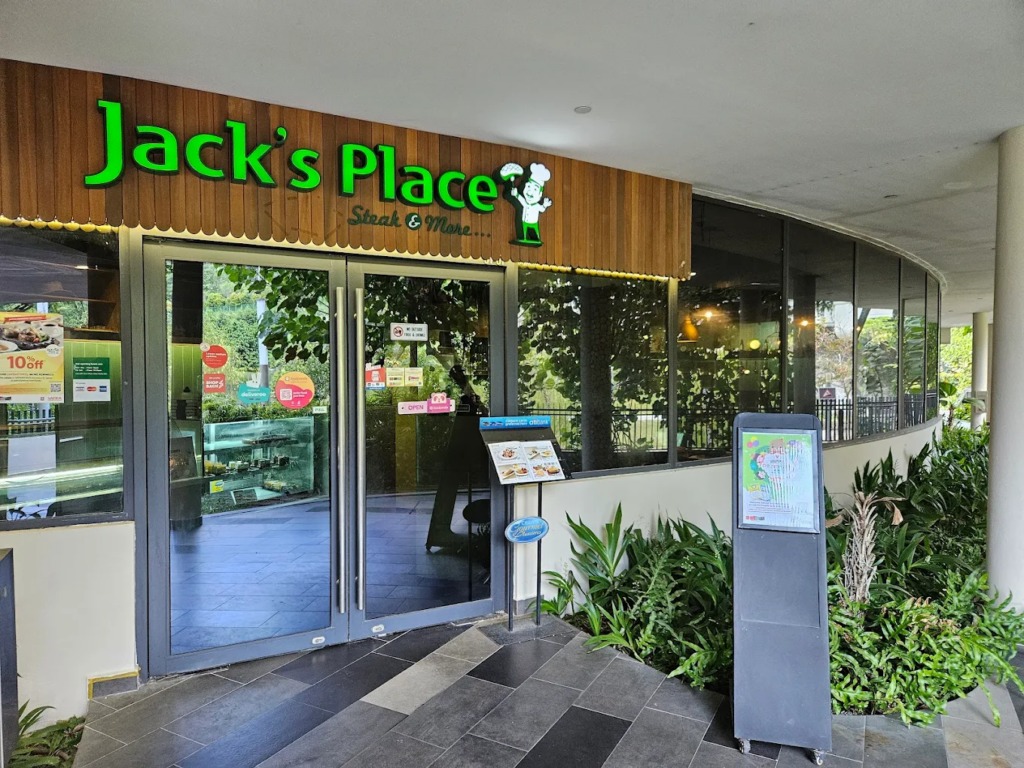
Jack’s Place outlet at Jewel Changi./ Image Credit: Jack’s Place

COVID-19 was a defining moment of reinvention. With dining rooms closed, Jack’s Place had to pivot its entire business toward delivery and ready-to-eat meals almost overnight.

“It forced us to accelerate a decade’s worth of digital transformation into a few months,” Alvin shared. The shift was painful, but it proved the organisation could move faster than it had believed.

Historically, the brand has also weathered multiple economic downturns by staying lean and anchored to its core identity as a value-for-money family destination.

Part of Jack’s Place’s longevity, Alvin said, is not accidental. It comes from taking a long-term view.

While the chain operates around 12 outlets today, down from a peak of more than 15, growth is no longer defined by outlet count.

Instead, the focus has shifted to something harder to measure: strengthening the experience, improving consistency, and earning relevance with a new generation of diners who did not grow up eating their first steak at Jack’s Place—but who might, given the right reason to walk through the door.

Say It Ain’t So Jack

Life!

The Straits Times

Saturday, October 17, 1998

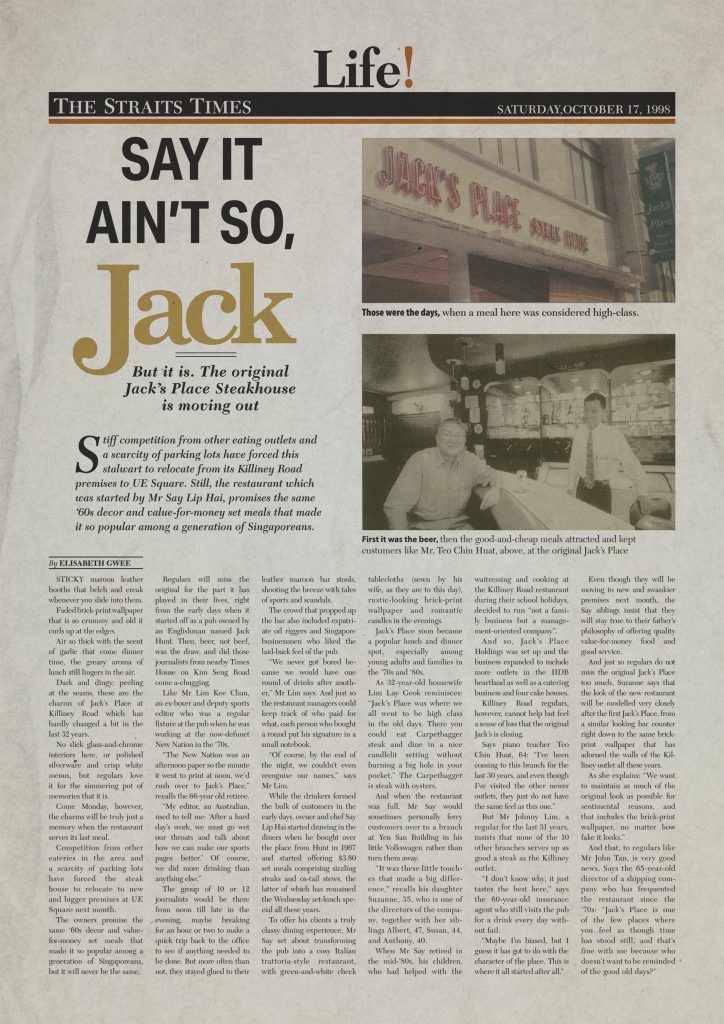
Say it Ain’t so, Jack

But it is. The original Jack’s Place Steakhouse is moving out

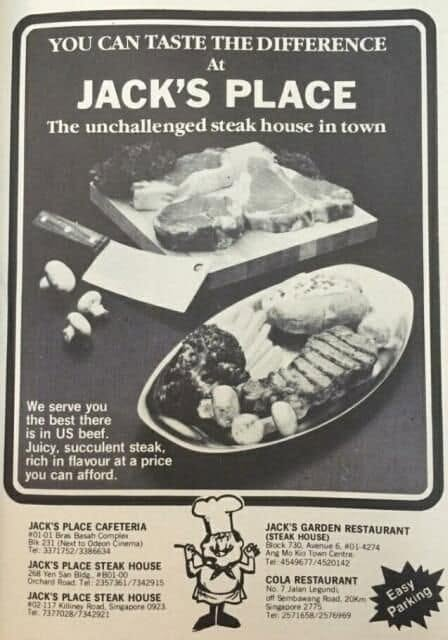
Stiff competition from other eating outlets and a scarcity of parking lots have forced this stalwart to relocate from its Killiney Road premises to UE Square. Still, the restaurant which was started by Mr Say Lip Hai, promises the same ‘60s decor and value-for-money set meals that made it so popular among a generation of Singaporeans.

By Elisabeth Gwee

Those were the days, when a meal here was considered high-class.

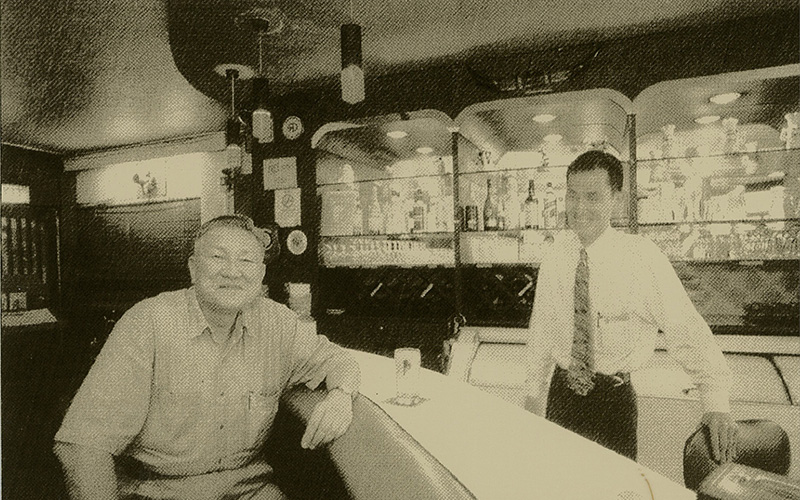
First it was the beer, then the good-and-cheap meals attracted and kept customers like Mr. Teo Chin Huat, above, at the original Jack’s Place

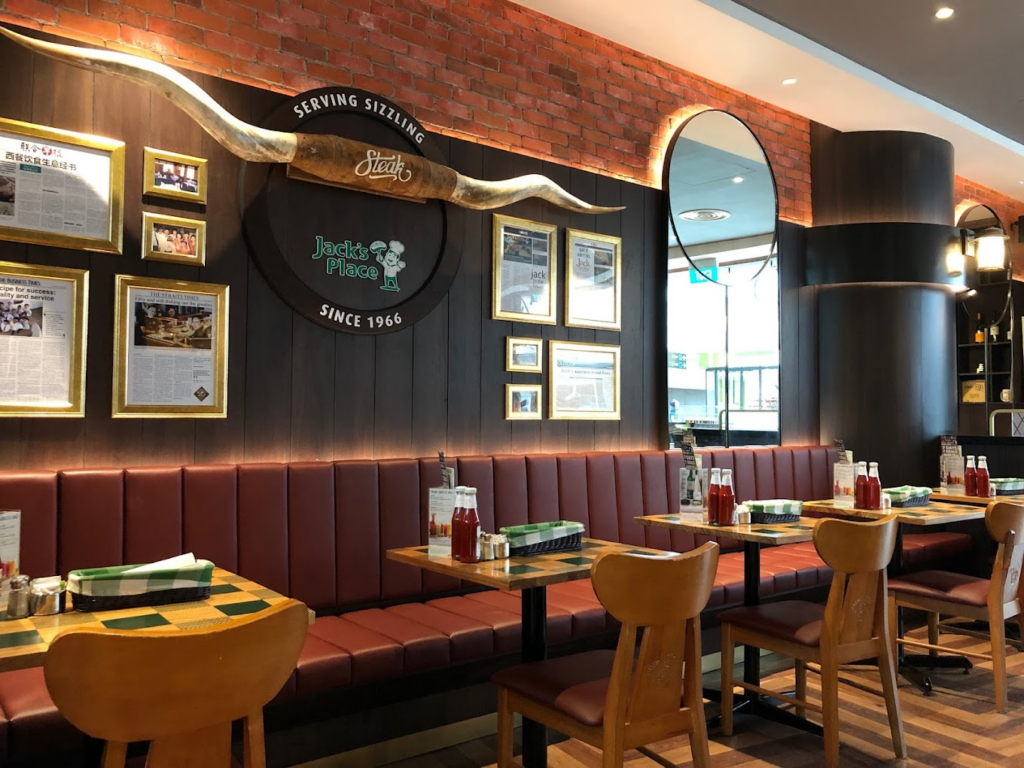
  STICKY maroon leather booths that belch and creak whenever you slide into them. Faded brick-print wallpaper that is so crummy and old it curls up at the edges. Air so thick with the scent of garlic that come dinner time, the greasy aroma of lunch still lingers in the air. Dark and dingy, peeling at the seams, these are the charms of Jack’s Place at Killiney Road which has hardly changed a bit in the last 32 years. No slick glass-and-chrome interiors here, or polished silverware and crisp white menus, but regulars love it for the simmering pot of memories that it is.

  Come Monday, however, the charms will be truly just a memory when the restaurant serves its last meal. Competition from other eateries in the area and a scarcity of parking lots have forced the steak house to relocate to new and bigger premises at UE Square next month. The owners promise the same ‘60s decor and value-for-money set meals that made it so popular among a generation of Singaporeans, but it will never be the same.

  Regulars will miss the original for the part it has played in their lives, right from the early days when it started off as a pub owned by an Englishman named Jack Hunt. Then, beer, not beef, was the draw, and did those journalists from nearby Times House on Kim Seng Road come a-chugging. Like Mr Lim Kee Chan, an ex-boxer and deputy sports editor who was a regular fixture at the pub when he was working at the now-defunct New Nation in the ‘70s.

  “The New Nation was an afternoon paper so the minute it went to print at noon, we’d rush over to Jack’s Place,” recalls the 66-year-old retiree. “My editor, an Australian, used to tell me: ‘After a hard day’s work, we must go wet our throats and talk about how we can make our sports pages better.’ Of course, we did more drinking than anything else.”

  The group of 10 or 12 journalists would be there from noon till late in the evening, maybe breaking for an hour or two to make a quick trip back to the office to see if anything needed to be done. But more often than not, they stayed glued to their leather maroon bar stools, shooting the breeze with tales of sports and scandals. The crowd that propped up the bar also included expatriate oil riggers and Singapore businessmen who liked the laid-back feel of the pub.

  “We never got bored because we would have one round of drinks after another,” Mr Lim says. And just so the restaurant managers could keep track of who paid for what, each person who bought a round put his signature in a small notebook. “Of course, by the end of the night, we couldn’t even recognise our names.”

  While the drinkers formed the bulk of customers in the early days, owner and chef Say Lip Hai started drawing in the diners when he bought over the place from Hunt in 1967. He started offering $3.80 set meals comprising sizzling steaks and ox-tail stews, the latter of which has remained the Wednesday set-lunch special all these years. To offer his clients a truly classy dining experience, Mr Say set about transforming the pub into a cosy Italian trattoria-style restaurant, with green-and-white check tablecloths (sewn by his wife, as they are to this day), rustic-looking brick-print wallpaper and romantic candles in the evenings.

  Jack’s Place soon became a popular lunch and dinner spot, especially among young adults and families in the ‘70s and ‘80s. As 32-year-old housewife Lim Lay Geok reminisces: “Jack’s Place was where we all went to be high class in the old days. There you could eat Carpetbagger steak and dine in a nice candlelit setting without burning a big hole in your pocket.”

  And when the restaurant was full, Mr Say would sometimes personally ferry customers over to a branch at Yen San Building in his little Volkswagen rather than turn them away. “It was these little touches that made a big difference,” recalls his daughter Suzanne, 35, who is one of the directors of the company, together with her siblings Albert, Susan, and Anthony.

  When Mr Say retired in the mid-’80s, his children decided to run not just a family business, but a management-oriented company. And so, Jack’s Place Holdings was set up and the business expanded to include more outlets in the HDB heartland as well as a catering business and four cake houses.

  Killiney Road regulars, however, cannot help but feel a sense of loss. Says piano teacher Teo Chin Huat, 64: “I’ve been coming to this branch for the last 30 years, and even though I’ve visited the other newer outlets, they just do not have the same feel as this one.” Mr Johnny Lim, a regular for the last 31 years, insists that none of the 10 other branches serves up as good a steak as the Killiney outlet. “I don’t know why, it just tastes the best here. Maybe I’m biased, but I guess it has got to do with the character of the place. This is where it all started after all.”

  Even though they will be moving to swankier premises, the Say siblings insist they will stay true to their father’s philosophy of quality food and service. Suzanne says the look of the new restaurant will be modelled closely after the first, right down to the same brick-print wallpaper.

  As she explains: “We want to maintain as much of the original look as possible for sentimental reasons, and that includes the brick-print wallpaper, no matter how fake it looks.”

  And that, to regulars like Mr John Tan, is very good news. “Jack’s Place is one of the few places where you feel as though time has stood still, and that’s fine with me because who doesn’t want to be reminded of the good old days?”

Actual article published.